CatIQ's third estimate puts insured losses from the June 9-10 Prairie storms at $923 million, up from $728 million initially, driven latterly by commercial property; Manitoba Public Insurance received a record 29,195 hail claims.
The cost of the severe storms that hit the Canadian Prairies in June has kept rising as insurers work through claims. According to the latest estimate from CatIQ, the firm that compiles Canada's industry catastrophe loss data, insured losses from the June 9-10, 2026 storms in Manitoba and Saskatchewan have reached $923 million. That is up from $850 million in CatIQ's 45-day estimate and from an initial post-event estimate of $728 million. Details of the third estimate were reported by Insurance Business Canada on September 10, 2026.
The pattern of the revisions is itself informative. CatIQ's earlier increase was mainly attributed to motor claims, which reflects the large number of vehicles damaged by hail. The most recent rise was driven by commercial property losses. This is typical of large hail events: vehicle claims arrive quickly because owners report damage immediately, while commercial buildings, with their roofs, cladding and contents, take longer to inspect, scope and settle. The $923 million figure is a total for insured losses only, and the source does not break it down by province or by auto and property.
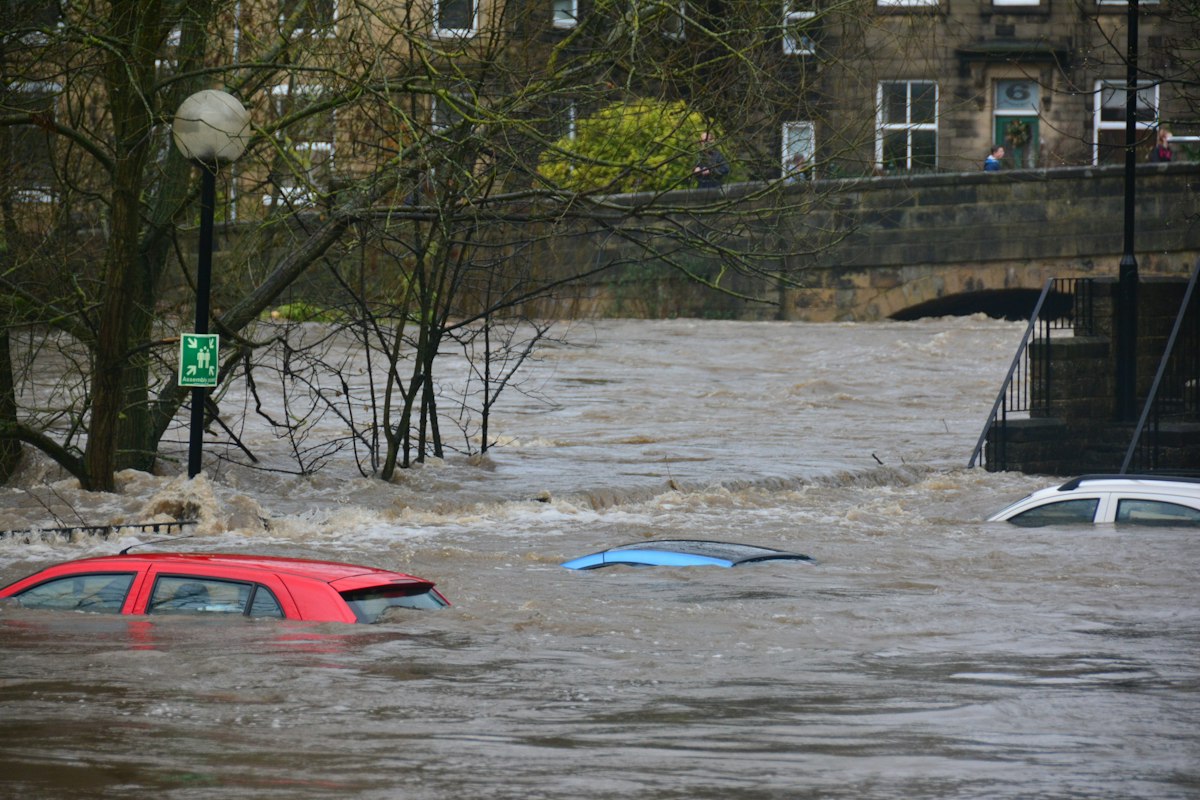
CatIQ says the event now ranks third-highest by claims count in its catastrophe database. The storm system produced tornadoes, hail up to 10 centimetres in diameter, damaging winds and record rainfall. Provincial public insurers, which sell auto cover in both provinces, give a sense of the scale. Saskatchewan Government Insurance (SGI) expects more than $100 million in damage from the June 9 hailstorm in Regina, with about 13,000 claims. In Manitoba, Manitoba Public Insurance (MPI) received 29,195 hail-related claims from the same storm system, beating its previous record for a single event of about 24,000, set in 1996.
An earlier report from Reinsurance News on August 11, citing CatIQ at the time of its 45-day estimate, described insured losses above $840 million and said the storms affected tens of thousands of residents and businesses. It also noted that five of Canada's 11 catastrophic weather events so far in 2026 had affected the two provinces, including a dust storm that caused $40 million in insured losses. The August report gives "above $840 million" while the later article gives $850 million for the 45-day estimate; this article uses the later, more specific figure.
The longer trend is what concerns the industry. The Insurance Bureau of Canada (IBC) says that since 2021 Manitoba and Saskatchewan have experienced 30 catastrophic weather events with more than $2.5 billion in insured losses. That works out to nearly $1,000 per person over five years, a 140% increase compared with the previous five-year period. In 2025, wildfires caused about $430 million in insured losses in the two provinces, while flash flooding, hail and strong winds caused about $330 million. Aaron Sutherland of IBC said the trend "demands action". The bureau is urging governments to reduce exposure to extreme weather and has proposed incentives for retrofitting properties, stricter building codes, limits on development in high-risk flood and wildfire zones, and greater municipal investment in flood infrastructure.
CatIQ chief executive Laura Twidle said that 2026 "seems destined to be remembered for its storm-related flash flooding". That comment suggests that the Prairie losses are part of a wider season of intense rainfall events, not a single outlier, although the sources used for this article do not give national totals for the year to date.
Why do estimates keep rising after the storm? Insured loss estimates are built in stages. The initial figure is based on early reports and modelling. As adjusters inspect properties, claims are opened, and repair costs, supply shortages and building-code upgrade requirements become clearer, the total grows. The 45-day and later estimates draw on actual claims data from insurers. CatIQ will publish a fourth estimate on December 10, 2026, with more detailed loss data at the level of forward sortation areas, which are the first three characters of a postal code. That level of detail helps insurers and researchers see which neighbourhoods were hit hardest.
For homeowners and drivers, several practical points follow. Hail damage to vehicles is generally covered under the comprehensive section of an auto policy, while damage to a house is covered by home insurance, but deductibles and, in some cases, separate hail or wind deductibles apply. In provinces with public auto insurance, such as Manitoba and Saskatchewan, the public insurer handles auto claims, which is why MPI and SGI report the vehicle counts. Home and commercial property cover is sold by private insurers. Residents who have not yet filed a claim should check the time limits in their policies and keep photographs and repair estimates.
For the insurance market, the repeated losses raise questions about pricing and risk. Prairie hail has historically been a feature of the region, but the cost per event is climbing because more expensive homes, vehicles and buildings now sit in storm paths, and because repair costs have risen. The IBC's five-year comparison puts a number on this: a 140% rise in per-person insured loss. Premium increases and higher deductibles are common responses, and the bureau's proposed building-code and land-use measures aim to reduce the damage that occurs in the first place.
The $923 million estimate is likely to move again, and December's update will show whether claims from commercial property continue to grow or the total settles.
Key Points
- 1CatIQ's third estimate puts insured losses from the June 9-10, 2026 Prairie storms at $923 million, up from $850 million at the 45-day mark and $728 million in the initial estimate.
- 2The latest increase was driven mainly by commercial property losses, while the previous revision was mostly attributed to motor claims; the event ranks third by claims count in CatIQ's database.
- 3Manitoba Public Insurance received 29,195 hail claims from the system, beating its single-event record of about 24,000 set in 1996; Saskatchewan's SGI expects over $100 million in damage and roughly 13,000 claims from the June 9 Regina hailstorm.
- 4Since 2021, Manitoba and Saskatchewan have had 30 catastrophic weather events costing over $2.5 billion in insured losses, nearly $1,000 per person and a 140% rise on the previous five years, according to the Insurance Bureau of Canada.
- 5A fourth CatIQ estimate with forward sortation area-level data is due December 10, 2026.
Why This Matters
Hail and flood damage is increasingly costly for Canadian households, and insured loss estimates tend to rise for months after a storm as claims are settled. The figures show why home and auto premiums in prairie provinces are under pressure and why the insurance industry is pressing for retrofit incentives and stricter building rules.
Original Source
Insurance Business Canada (CatIQ third estimate, Sep 10, 2026) and Reinsurance News (CatIQ, Aug 11, 2026) ↗Related Stories

Marsh: Global Commercial Insurance Rates Fall About 5% in Q3 2026, the Ninth Straight Decline, While US Casualty Is the Only Line Still Rising
October 22, 2026
Global Insured Catastrophe Losses Hit $92 Billion in the First Nine Months of 2026, 29% Below Average and the Lowest Since 2019, Gallagher Re Says
October 22, 2026

Daiichi Life's Australian Arm Proposes to Buy the Rest of Challenger at A$11.80 a Share in a Non-Binding Offer
October 22, 2026

PERILS Raises Insured Loss Estimate for July's 'SCS Cerry' Storms in Germany, France, Switzerland and Italy to €2.8 Billion
October 22, 2026
Daily Intelligence
The PolicyRix Daily Brief
Get the day's key insurance and finance stories in one email, each linked to its original source. No spam. Unsubscribe anytime.
Informational newsletter only. Not financial advice. Disclaimer