
Progressive reported third-quarter 2026 net income of $2.54 billion, a combined ratio of 88.7 and net premiums written up 4% to $22.3 billion, with policies in force up 6% to about 40.5 million.
Progressive Corporation, one of the largest auto insurers in the United States, reported its results for September and for the third quarter of 2026 on October 14. The release, republished by news services, shows a business that is still growing quickly and earning a strong underwriting margin, while its bottom line was slightly lower than a year ago. The figures below come from that release. Segment combined ratios, investment income and details of shareholder returns were not in the material reviewed, so this article does not cover them.
Start with the headline numbers. Net income for the third quarter was $2.542 billion, compared with $2.615 billion in the third quarter of 2025, a decline of about 3%. Earnings per share available to common shareholders were $4.37, compared with $4.45. Net premiums written, which measure the premiums the company sells in a period, rose 4% to $22.301 billion from $21.384 billion. Net premiums earned, the portion recognised as revenue as coverage is provided, rose 5% to $21.869 billion from $20.849 billion. A German financial news site, which reported the same day, said total revenue of $22.30 billion fell slightly short of analysts' expectations, though estimates varied between sources.
The underwriting result improved. Progressive's combined ratio, which adds claims and expenses and divides them by premiums earned, was 88.7 for the quarter, compared with 89.5 a year earlier, an improvement of 0.8 points. A figure below 100 means the company earned an underwriting profit, and 88.7 means roughly 11 cents of profit for every dollar of premium before investment income and taxes. The monthly picture was more striking. September's combined ratio was 90.0, compared with 100.4 in September 2025, a 10.4-point improvement. Net income for the month was $630 million, more than double the $305 million of September 2025. That comparison partly reflects a weak base, since the company's combined ratio in September 2025 was above 100, meaning it lost money on underwriting that month.
If underwriting improved, why did quarterly profit slip? The release points to the difference in investment results. Pretax net realized losses on securities were $170 million in the third quarter of 2026, compared with realized gains of $295 million in the third quarter of 2025, a swing of $465 million. In September alone, realized losses were $231 million, compared with gains of $138 million a year earlier. Realized gains and losses reflect the sale or revaluation of securities and can vary from quarter to quarter without any change in the insurance business. Average diluted shares fell about 1% to 582.2 million, which gave a small boost to per-share results.
Growth is the other part of the story. Progressive said it had 40.489 million policies in force at September 30, 2026, up 6% from 38.078 million a year earlier. In personal lines, which make up the bulk of the business, policies in force were 39.237 million, up 6%. Direct auto, sold by the company to customers online and by phone, grew 8% to 16.848 million. Agency auto, sold through independent agents, grew 7% to 11.347 million. Special lines, which include motorcycles, boats and recreational vehicles, grew 6% to 7.390 million. Property policies were flat at 3.652 million, which is consistent with the company's cautious approach to home insurance in catastrophe-prone states. Commercial lines grew 5% to 1.252 million.
The contrast between 4% premium growth and 6% growth in policy count is worth noting. When the number of policies grows faster than premiums, the average premium per policy is falling, which is usually the result of price competition, lower rates in some states or a shift toward lower-priced customers. This is consistent with other industry data, including the S&P Global Market Intelligence analysis that shows competition mounting in private passenger auto after several years of price increases. It does not by itself prove that Progressive cut prices, as the release does not break out average premiums or rate changes, but it suggests that growth is being bought partly with price.
How does this compare with the rest of the industry? The US property and casualty sector reported its best first-quarter underwriting result in 25 years, and Travelers' third-quarter results, covered in this series, also showed strong margins. Progressive's 88.7 combined ratio fits that picture of a profitable personal auto market after the claims inflation of 2022 and 2023. The risk for insurers is that profitability invites competition, and competition can erode margins, so investors will watch whether Progressive's rapid growth continues without a rise in its combined ratio.
For drivers, the implications are mixed. A highly profitable, fast-growing insurer is competing hard for customers, which can mean better offers for people who shop around. But rates depend on local claims costs, repair prices, tariffs on parts, weather and each company's own results, and the release gives no information on future pricing. Anyone renewing a policy should compare quotes, review coverage levels and ask about discounts, such as those for telematics, bundling or safe driving.
For investors, the key points are the quality of the earnings and the pace of growth. The release is an unaudited summary, and full financial statements are filed later with the Securities and Exchange Commission. This article reports published results and is not a recommendation to buy or sell any security. Readers who want more detail should consult the company's own filings and conference materials.
Key Points
- 1Progressive's October 14, 2026 release shows third-quarter net income of $2.542 billion, down 3% from $2.615 billion, and earnings per share of $4.37 against $4.45.
- 2The quarterly combined ratio was 88.7, 0.8 points better than 89.5 a year earlier; September alone was 90.0 against 100.4 in September 2025.
- 3Net premiums written rose 4% to $22.301 billion and net premiums earned rose 5% to $21.869 billion.
- 4Total policies in force reached 40.489 million, up 6%, with direct auto up 8% to 16.848 million and agency auto up 7% to 11.347 million.
- 5Pretax net realized losses on securities were $170 million in the quarter, against gains of $295 million a year earlier, which helps explain why profit fell while underwriting improved.
Why This Matters
Progressive is the largest US auto insurer by growth and a bellwether for personal auto pricing. Its numbers show how profitable the line remains, how fast it is adding customers, and how much of a profit change comes from investments rather than from underwriting.
Related Stories

Marsh Warns That Broad AI Exclusions in Insurance Policies Could Create 'Real Confusion and Uncertainty'
October 17, 2026

Swiss Re: Non-Economic Factors Drive About Half of UK Liability Claims Growth, and Litigation Funding Reform Could Add More
October 17, 2026
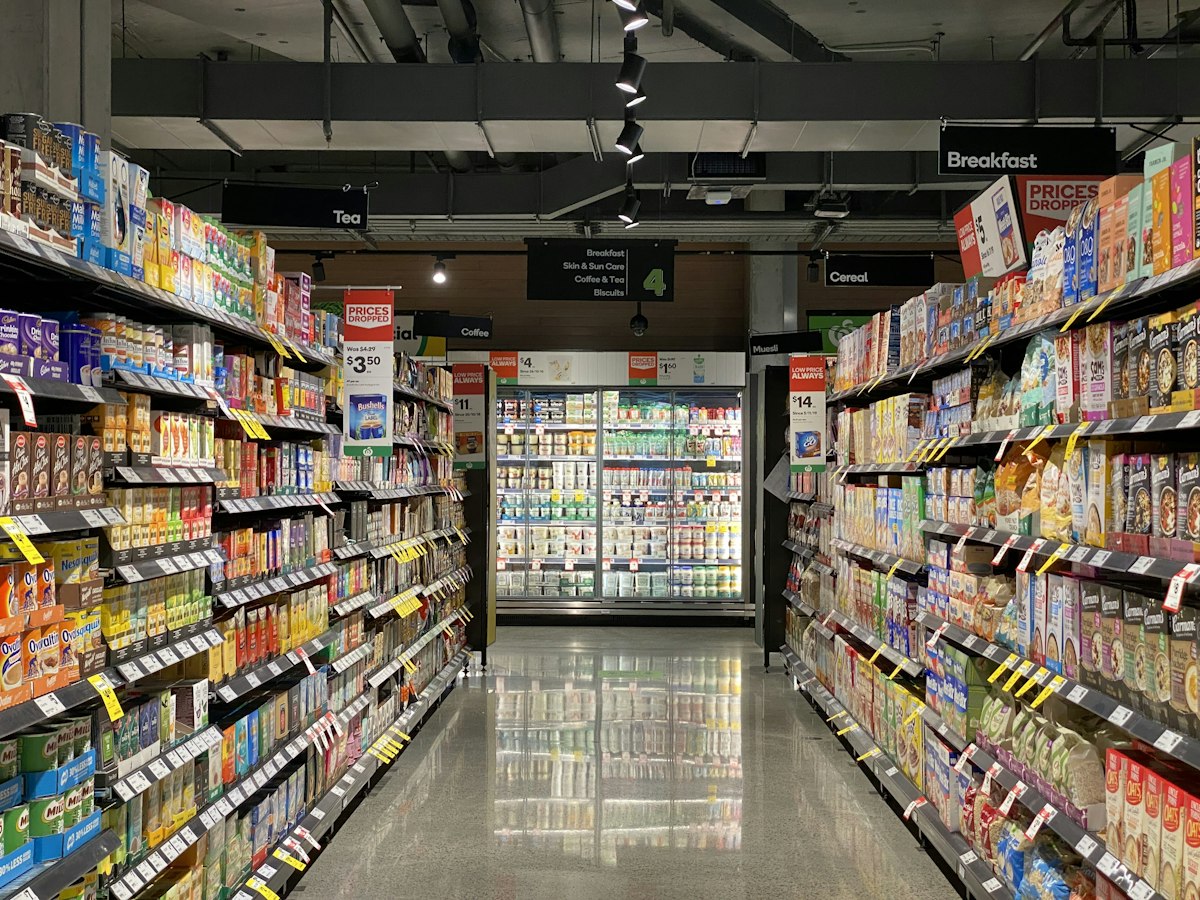
Hackers Push Fridges to 50°C at About 350 French Supermarkets, and Insurers Say Standard Cyber Cover Is Unlikely to Pay for Spoiled Food
October 17, 2026

Travelers' Third-Quarter Profit Reaches $1.92 Billion With an 86.8% Combined Ratio as Catastrophe Losses Stay Moderate
October 16, 2026
Daily Intelligence
The PolicyRix Daily Brief
Get the day's key insurance and finance stories in one email, each linked to its original source. No spam. Unsubscribe anytime.
Informational newsletter only. Not financial advice. Disclaimer