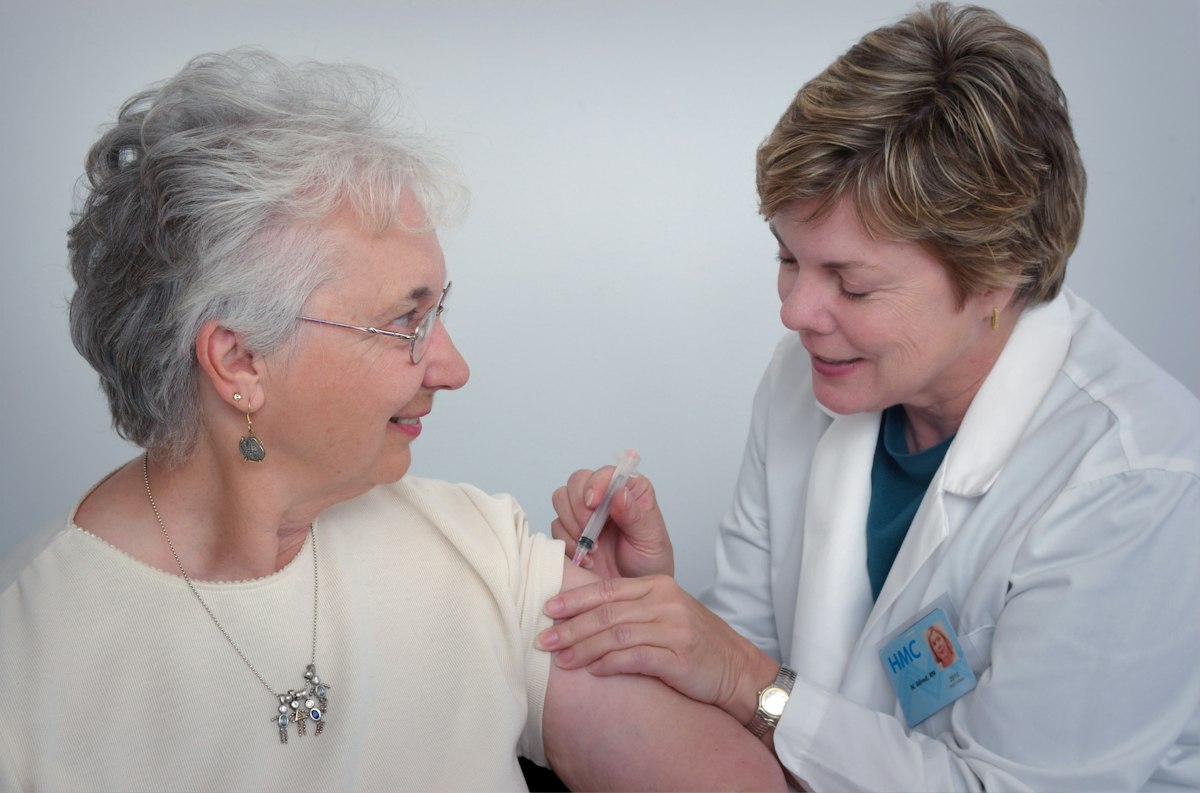
Health Minister Mark Butler re-introduced a bill on October 15 removing the age-based private health insurance rebate uplift from April 1, 2027, a day after the Senate removed it from the notice paper by 38 votes to 23.
A proposal to reduce the government rebate on private health insurance for older Australians has returned to the Senate just a day after it was removed from the agenda. On Thursday, October 15, 2026, Health Minister Mark Butler re-introduced the Private Health Insurance Amendment (Modernising the Private Health Insurance Rebate) Bill 2026. According to Insurance Business Australia, its text is identical to the bill that the Senate removed from its notice paper the previous day, by 38 votes to 23. This article summarises that report and other coverage of the vote. The figures quoted are those given by the government, the industry body and the advocacy groups named, and have not been independently audited.
What does the bill do? Australia's private health insurance rebate is a government contribution towards the cost of premiums, which varies with income and age. Older people receive a higher rate, called the age-based uplift. The bill removes that uplift from April 1, 2027. At the base income tier, the rebate for people aged 65 to 69 would fall from 28.139% to 24.118%, and for people aged 70 and over from 32.158% to 24.118%. The result is that people on the same income would receive the same rate of support whatever their age. Butler argued the change was necessary and the right thing to do, acknowledging it would not be welcome for some, and said households with the same income should receive the same government support regardless of age. The government expects savings of about $3 billion over four years, which it says will be directed to aged care.
Why did the Senate reject it? The Coalition, the Greens and Senator Jacqui Lambie voted to remove the bill from the notice paper. Lambie said Butler would get another slap if he reintroduced the bill unchanged, and urged the government to look to other areas rather than older Australians. Liberal senator James Paterson said the move showed contempt for the Senate and called the cut particularly cruel. Shadow health minister Anne Ruston urged the minister to drop the plan for good. The Greens' leader, David Shoebridge, said his party would pass the bill if pensioners were exempted from it. National Seniors Australia chief executive Chris Grice said almost a quarter of survey respondents would have to draw on their savings to keep their cover, and that the effect on hospitals and on older people's health was uncertain.
The effect on premiums is where the figures diverge. Butler puts the average extra cost at about $250. Private Healthcare Australia, the industry body for health funds, estimates that someone aged 70 or over on Gold hospital cover would pay about $807 more a year under the combined changes. The difference probably arises because the industry figure combines the loss of rebate with the annual premium rise that funds usually apply on April 1, and because it describes a specific product tier, while the government figure is an average across all affected people. Both figures can be accurate for the group they describe, and readers should check which one applies to them.
Timing matters for consumers and funds. According to Insurance Business, health funds are expected to lodge their 2027 premium applications by mid-November, probably before the Senate decides on the bill. If the bill passes, the rebate cut and the annual premium rise would take effect on the same date, April 1, and would hit older members at the same time. The article says the Senate numbers have not changed, and that unless Labor agrees to a pensioner carve-out, the bill appears likely to fail again.
What might older members do? Advisers quoted in the report say more older clients may consider downgrading their cover. Moving from Gold to Silver hospital cover can reduce premiums but may remove cover for procedures such as joint replacements and cataract surgery, which are common among older people. Downgrading involves a trade-off between the cost now and the risk of paying more or waiting longer for treatment later. The government's PrivateHealth.gov.au website lets people compare products. Anyone considering a change should check waiting periods, exclusions and any lifetime health cover loading, which can make it costly to return to a higher level of cover later, and should seek advice before acting on a bill that has not yet passed.
There are policy arguments on both sides, and the news report presents the government's and the critics' positions. Supporters of the change argue that targeting support by income and not age is fairer and that the savings can be used for aged care, where demand is rising. Critics argue that older people are more likely to use hospitals, that they have limited ability to increase their incomes, and that if many drop private cover, more of them will turn to public hospitals, which are already under pressure. National Seniors Australia's survey suggests a minority would need to use savings, though the report does not give the sample size or method, so its weight is hard to judge.
The immediate question is parliamentary. If the Senate again declines to pass the bill, the rebate stays as it is, and funds will still apply their usual premium increases from April. If the government agrees to protect pensioners, a version could pass. Either way, older Australians with private cover should expect premium notices in the coming months and should compare the options before their next renewal.
Key Points
- 1On October 15, 2026, Health Minister Mark Butler re-introduced the Private Health Insurance Amendment (Modernising the Private Health Insurance Rebate) Bill 2026, with identical text to the bill the Senate removed from its notice paper the day before by 38 votes to 23.
- 2From April 1, 2027 the bill would remove the age-based rebate uplift: at the base income tier the rebate for ages 65-69 would fall from 28.139% to 24.118%, and for people aged 70 and over from 32.158% to 24.118%.
- 3The government expects savings of about $3 billion over four years, directed to aged care; Butler says the average extra cost is about $250.
- 4Private Healthcare Australia estimates a person aged 70 or over on Gold hospital cover would pay about $807 more a year once the rebate cut and the annual premium rise both apply.
- 5The Coalition, Greens and Senator Jacqui Lambie voted against; the Greens said they would pass the bill if pensioners were carved out, and National Seniors Australia says almost a quarter of surveyed members would need to draw on savings to keep cover.
Why This Matters
The rebate is a major part of what older Australians pay for private health cover. The outcome will affect their premiums, the decision to downgrade or drop cover, and the load on public hospitals, as well as funding for aged care.
Related Stories

UnitedHealth Raises 2026 Guidance as Its Medical Care Ratio Improves to 88.4%, but Membership Falls to 48.3 Million
October 16, 2026

Australian Unemployment Rises to 4.7% as 39,300 Jobs Are Lost, Clouding the Case for Another RBA Rate Hike
October 15, 2026
Medicare 2027: CMS Projects Medicare Advantage Premiums Down 16.5% and Stand-Alone Drug Plans Up Slightly as Open Enrollment Opens October 15
October 14, 2026

RBA Says Australia's Banks and Insurers Are Resilient, but APRA Warns One in Four Homes Could Be Uninsured by 2050
October 14, 2026
Daily Intelligence
The PolicyRix Daily Brief
Get the day's key insurance and finance stories in one email, each linked to its original source. No spam. Unsubscribe anytime.
Informational newsletter only. Not financial advice. Disclaimer