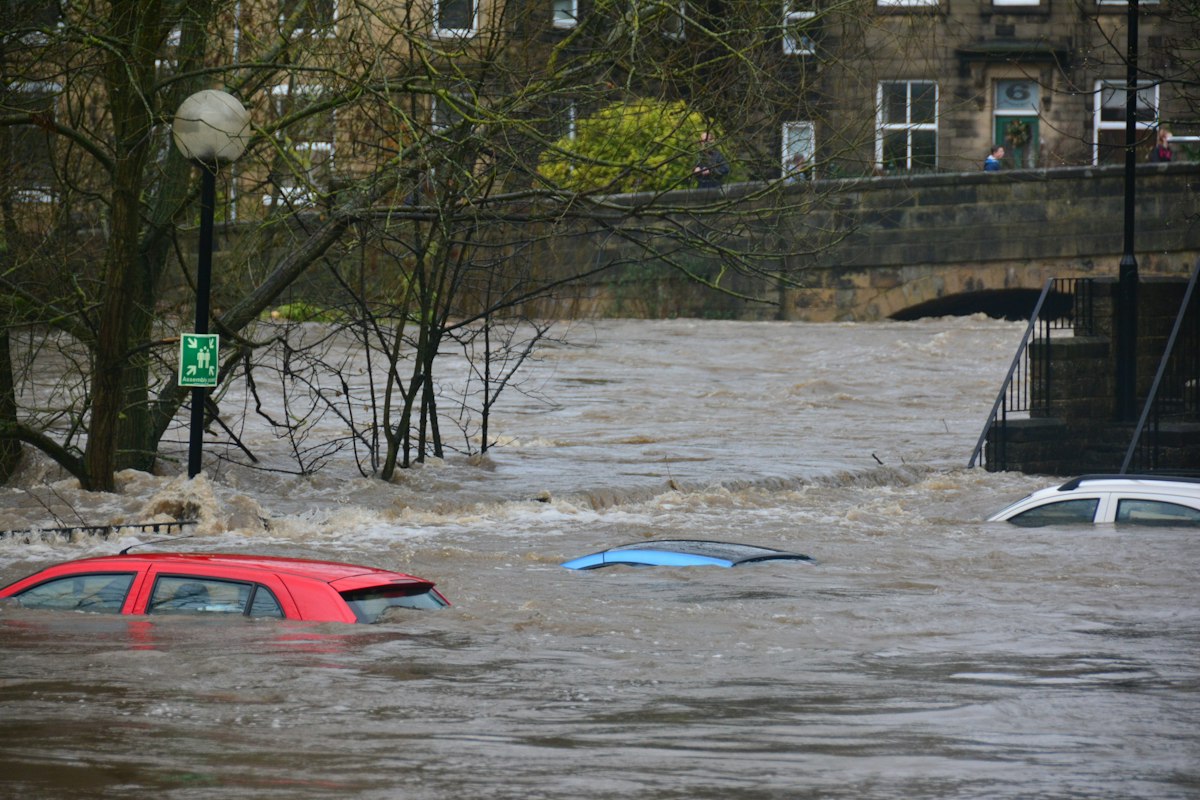
Credit rating agency Moody's has warned that the flood insurance protection gap in the United States remains substantial and is not improving, leaving millions of properties exposed to catastrophic uninsured losses. The warning comes amid intensifying flooding across the US Southeast and as climate-driven extreme weather increases flood risk nationwide, underscoring a critical vulnerability in US household and economic resilience.
The United States faces a persistent and worsening flood insurance protection gap, according to a warning from credit rating agency Moody's. The gap — the difference between economic losses from flooding and the portion that is actually insured — remains wide and shows no signs of narrowing, leaving millions of American homeowners and businesses dangerously exposed to catastrophic, uninsured flood losses.
Flooding is the most common and costly natural disaster in the United States, yet flood coverage is typically excluded from standard homeowners insurance policies. Most residential flood coverage in the US is provided through the National Flood Insurance Program (NFIP), administered by the Federal Emergency Management Agency (FEMA), which writes more than 90% of all residential flood coverage nationwide because private insurers have historically been reluctant to enter the market. Despite this federal backstop, take-up rates for flood insurance remain low, even in high-risk areas — meaning that when floods strike, a large share of the resulting damage falls on uninsured property owners, who must rely on savings, loans, credit cards, or disaster relief to recover.
The Moody's warning is particularly timely. Flooding has continued to be a serious problem across the US Southeast, with storms bringing new rounds of heavy rainfall across the region. Climate change is intensifying both the frequency and severity of flood events, expanding flood risk into areas that have not traditionally been considered high-hazard. This expansion of risk into unmapped or under-mapped areas exacerbates the protection gap, as property owners in newly at-risk locations often lack coverage and may be unaware of their exposure.
The flood insurance gap carries significant implications for household financial security and broader economic resilience. Uninsured flood losses can be financially devastating for families, often forcing them to take on debt or, in severe cases, abandon damaged properties. For the broader economy and financial system, the gap represents a source of systemic vulnerability — uninsured losses can depress property values, strain local government budgets dependent on property taxes, and create risks for mortgage lenders and investors in mortgage-backed securities. Closing the flood protection gap remains one of the most pressing challenges for insurers, reinsurers, policymakers, and the NFIP as climate-driven flood risk continues to mount.
Key Points
- 1Moody's warns the US flood insurance protection gap remains wide and is not improving
- 2Flood coverage is typically excluded from standard homeowners insurance policies
- 3The NFIP writes more than 90% of US residential flood coverage, yet take-up rates remain low
- 4Climate change is expanding flood risk into areas not traditionally considered high-hazard
- 5Uninsured flood losses threaten household finances, property values, and financial stability
Why This Matters
Flooding is the most common and costly natural disaster in the US, yet a large share of flood losses go uninsured. For homeowners — especially those in newly at-risk areas who may not realize their exposure — the protection gap means a single flood event could be financially catastrophic. For policymakers and the insurance industry, closing the gap is critical to household resilience and broader financial stability. The Moody's warning underscores that despite the existence of the NFIP, the US remains dangerously underprotected against a risk that climate change is steadily intensifying.
Related Stories

Wall Street Hits Record High as Soft US Data Keeps Rate Path Uncertain
August 6, 2026

Fed Holds Rates Steady Amid Three Dissents, Signals a Hike May Be Coming
August 6, 2026

Warsh Reshapes Fed Communication and Weighs Fewer Policy Meetings
August 6, 2026

US Mortgage Rates Stay Stuck in the High-6% Range
August 6, 2026
Daily Intelligence
The PolicyRix Daily Brief
Get the top 5 insurance and finance stories every morning, curated and verified by our editorial desk. No spam. Unsubscribe anytime.
Informational newsletter only. Not financial advice. Disclaimer