
Global oil prices fell sharply and equity markets rallied after the United States and Iran signed a framework agreement to end their war, with Iran agreeing to reopen the Strait of Hormuz and the US lifting its naval blockade. Brent crude has dropped roughly 20% from its 2026 peak — when prices briefly topped $120 — as investors grow optimistic about a lasting ceasefire, though analysts caution that security concerns and infrastructure damage will keep prices elevated near $90-100 in the near term.
Financial markets reacted with relief as the United States and Iran moved to formally end months of conflict that had roiled global energy markets and triggered one of the most severe oil supply shocks in decades. A Memorandum of Understanding, signed on June 17, 2026 and mediated in part by Pakistani Prime Minister Shehbaz Sharif, entered into force with immediate effect — providing for Iran to reopen the Strait of Hormuz and the US to lift its naval blockade of Iranian ports.
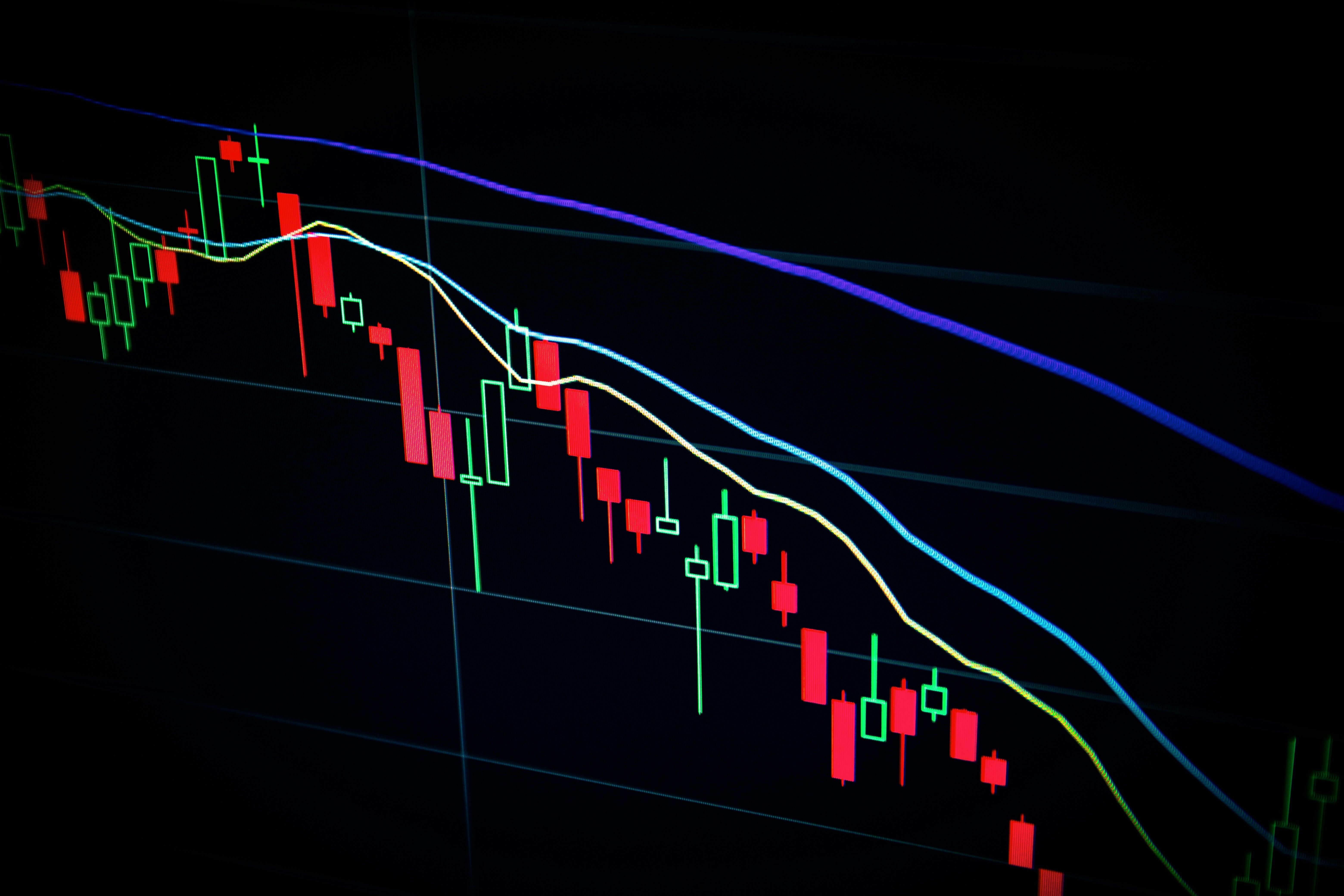
The market response was swift. Oil prices, which had briefly surged above $120 per barrel at the height of the conflict, have tumbled roughly 20% from their 2026 peaks. Brent crude, the international benchmark, traded around $80-93 per barrel in the days surrounding the agreement, while US West Texas Intermediate (WTI) futures fell to the high-$70s to high-$80s range. Equity markets rallied globally on the de-escalation, with Asian, European, and US indices benefiting from easing energy cost pressures.
However, the picture remains fragile and uncertain. Peace talks scheduled in Switzerland were abruptly postponed, underscoring that turning the interim framework into a lasting settlement remains far from guaranteed. The conditional nature of the Hormuz reopening, lingering security concerns for tanker traffic, sea mines still being cleared, and significant damage to Gulf refineries and energy infrastructure all continue to weigh on the outlook. The International Energy Agency (IEA) had estimated the blockage caused a daily shortfall of around 14 million barrels in the global oil market, with more than 500 vessels reportedly waiting to exit the Gulf at the peak of the disruption.
Analysts remain cautious. Bob Parker, senior advisor at the International Capital Markets Association, suggested oil prices will likely remain in the $90-100 range for at least the next couple of months until greater clarity emerges, warning that any reopening of the strait may only be partial. The energy shock had been a primary driver of elevated inflation across major economies, feeding into higher interest rates, mortgage costs, and insurance premiums worldwide — meaning the de-escalation, if sustained, could provide meaningful relief to consumers and central banks alike.
Key Points
- 1The US and Iran signed a framework MOU on June 17, 2026, agreeing to reopen the Strait of Hormuz and lift the naval blockade
- 2Brent crude has fallen roughly 20% from 2026 peaks, after briefly exceeding $120 per barrel during the conflict
- 3Equity markets rallied globally on the easing of energy cost pressures
- 4The IEA estimated the blockage caused a daily shortfall of around 14 million barrels in the global oil market
- 5Analysts caution prices may remain near $90-100 amid lingering security concerns and infrastructure damage
Why This Matters
Energy prices are a primary transmission channel for inflation across the global economy. The conflict-driven oil spike pushed up inflation, interest rates, mortgage costs, and insurance premiums worldwide. If the ceasefire holds and the Strait of Hormuz fully reopens, the resulting decline in energy costs could ease inflation pressures, giving central banks like the Fed and Bank of Japan more flexibility — directly benefiting borrowers, investors, and insurance policyholders. The fragility of the deal, however, keeps markets on edge.
Related Stories
Wall Street Hits Record High as Soft US Data Keeps Rate Path Uncertain
August 6, 2026

Fed Holds Rates Steady Amid Three Dissents, Signals a Hike May Be Coming
August 6, 2026

Warsh Reshapes Fed Communication and Weighs Fewer Policy Meetings
August 6, 2026

US Mortgage Rates Stay Stuck in the High-6% Range
August 6, 2026
Daily Intelligence
The PolicyRix Daily Brief
Get the top 5 insurance and finance stories every morning, curated and verified by our editorial desk. No spam. Unsubscribe anytime.
Informational newsletter only. Not financial advice. Disclaimer