
Crude oil prices fell sharply after the US and Iran announced a framework peace deal on June 14, 2026 to end their roughly 15-week war and reopen the Strait of Hormuz. US crude closed down 4.8% to $80.75 a barrel and Brent fell 4.7% to $83.17. However, shipowners, marine insurers, and vessel crews must be convinced it is safe before full maritime transit through the critical chokepoint resumes — with hundreds of tankers still stranded.
Global energy and financial markets reacted with cautious relief after the United States and Iran announced a framework agreement on June 14, 2026, to end their roughly 15-week war and reopen the Strait of Hormuz — one of the world's most critical oil chokepoints, through which about a fifth of global energy supplies flow. Pakistani Prime Minister Shehbaz Sharif, a key mediator, announced that a memorandum of understanding had been finalized and would be signed on June 19, with the conflict set to formally end within 60 days. President Trump simultaneously announced the immediate lifting of the US naval blockade.
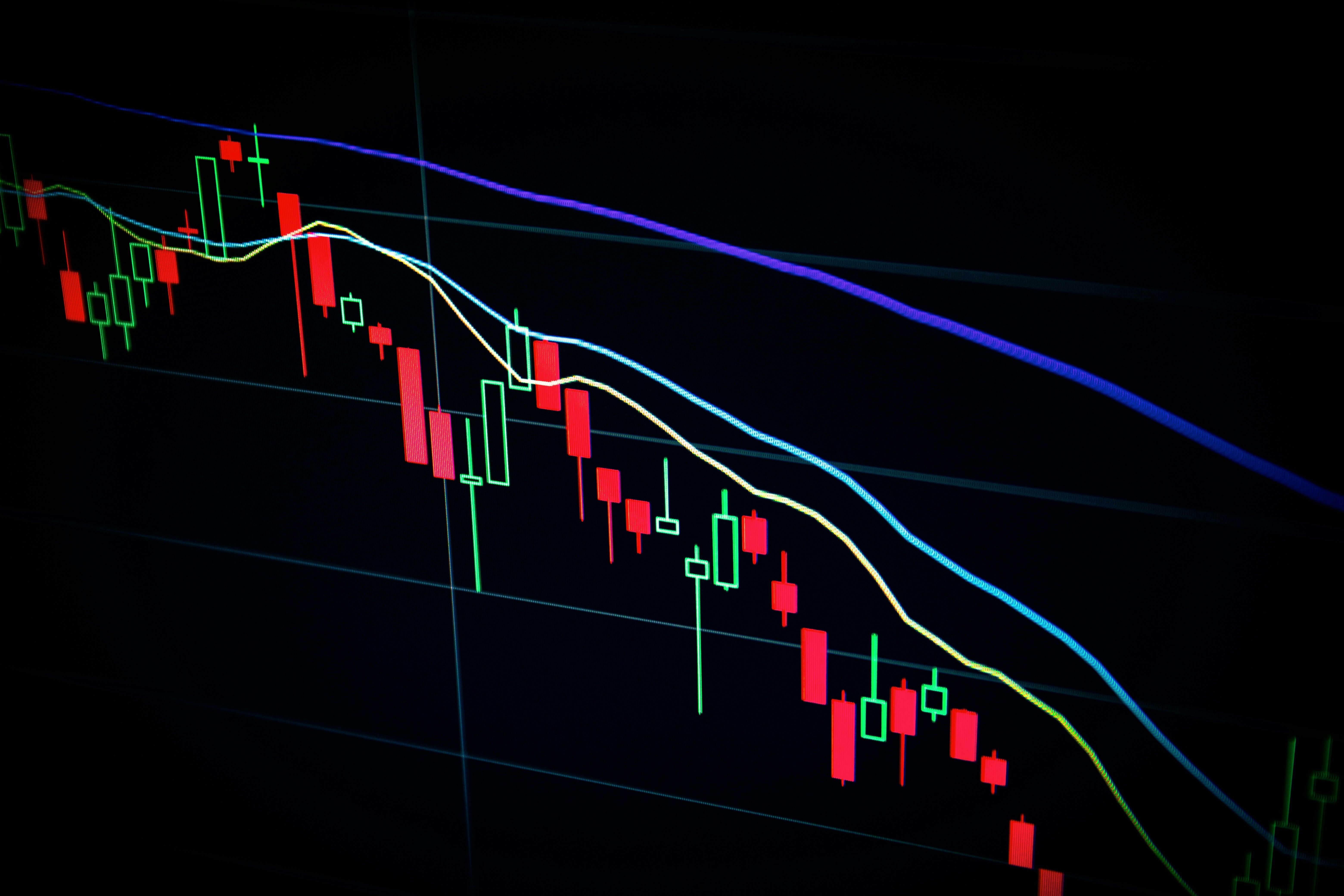
The market response was immediate but measured. US crude oil closed down 4.8% to $80.75 per barrel — its lowest since early March — while international Brent crude closed down 4.7% to $83.17. Despite the drop, crude remains roughly 40% above where it started the year, and Brent futures for delivery through February 2027 remained around $80 per barrel, signalling market concern that restoring supplies to pre-war levels will take considerable time.
A crucial bottleneck sits squarely in the insurance industry. Shipowners, marine insurers, and vessel crews need to be convinced that passage through the Strait of Hormuz is genuinely safe before full-scale maritime transit can resume. Getting oil flowing again requires moving thousands of tankers out of the Strait and Persian Gulf — and earlier in the conflict, more than 800 tankers were reported stuck in the region. War-risk insurance premiums for vessels transiting the waterway had spiked dramatically during the conflict, and the US Treasury had even discussed launching a government-backed insurance program to support shipping through the chokepoint. The UK and France had taken a leading role in planning a defensive multilateral mission, particularly to offer mine-clearance support.
For marine and energy insurers, the reopening represents both relief and operational complexity. War-risk underwriters will need to reassess premiums, exclusions, and coverage terms as security conditions evolve. The pace at which insurers regain confidence — and lower premiums — will directly determine how quickly oil shipments normalize and how durably energy prices fall, with knock-on effects for global inflation and central bank policy.
Key Points
- 1The US and Iran announced a framework peace deal on June 14, 2026, with an MOU to be signed June 19
- 2US crude fell 4.8% to $80.75 and Brent dropped 4.7% to $83.17 — the lowest levels since early March
- 3Crude remains roughly 40% above where it began the year, signalling a slow supply normalization
- 4Marine insurers and shipowners must be convinced of safety before full Strait of Hormuz transit resumes
- 5More than 800 tankers were reported stranded during the conflict, awaiting safe-passage confidence
Why This Matters
The Strait of Hormuz reopening is a pivotal moment for the global economy, but the insurance industry holds the key to how quickly normalcy returns. War-risk marine insurance premiums and underwriters' confidence directly determine whether thousands of tankers can resume transit. For consumers worldwide, faster shipping normalization means lower fuel, transport, and goods prices. For energy and marine insurers, the period ahead requires careful recalibration of risk pricing as geopolitical conditions stabilize.
Related Stories
Wall Street Hits Record High as Soft US Data Keeps Rate Path Uncertain
August 6, 2026

Fed Holds Rates Steady Amid Three Dissents, Signals a Hike May Be Coming
August 6, 2026

Warsh Reshapes Fed Communication and Weighs Fewer Policy Meetings
August 6, 2026

US Mortgage Rates Stay Stuck in the High-6% Range
August 6, 2026
Daily Intelligence
The PolicyRix Daily Brief
Get the top 5 insurance and finance stories every morning, curated and verified by our editorial desk. No spam. Unsubscribe anytime.
Informational newsletter only. Not financial advice. Disclaimer