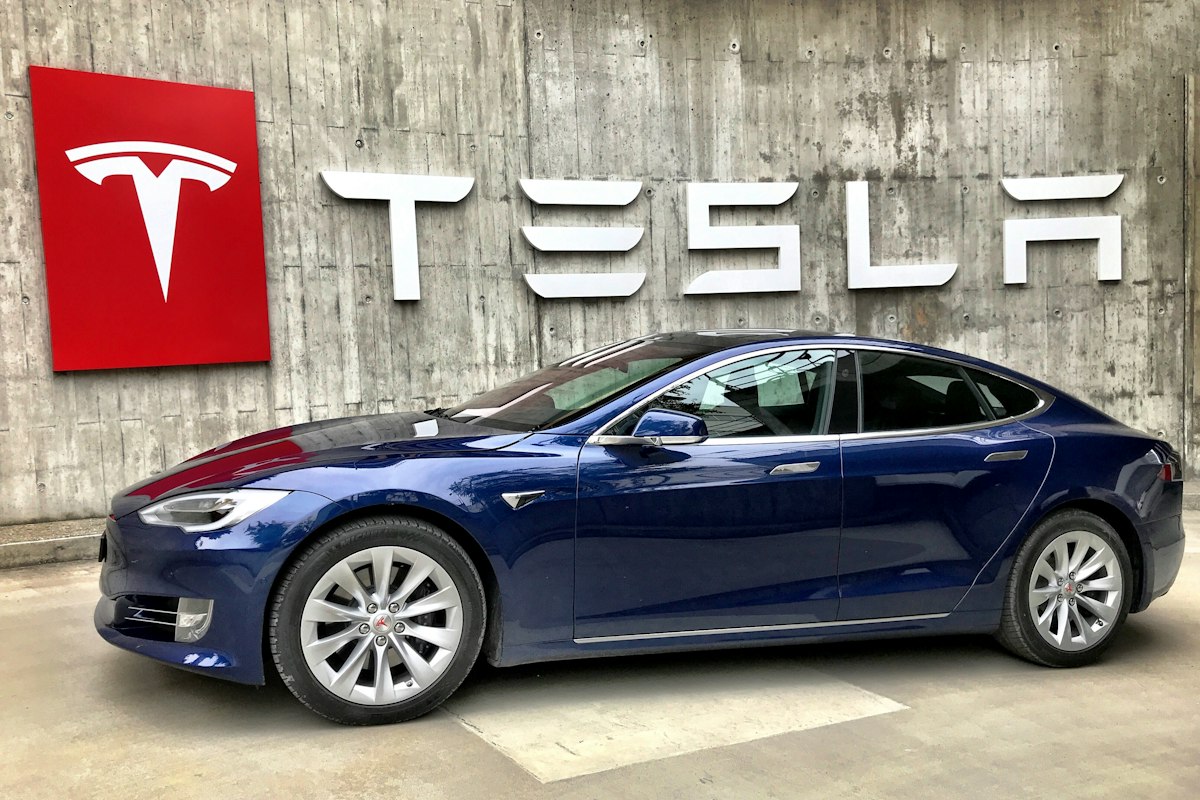
Shares of digital insurer Lemonade jumped 10.45% on June 10, 2026 as investors responded to its push into autonomous-vehicle coverage using Tesla data and continued momentum in its AI-first model. The rally followed first-quarter 2026 results showing revenue up 71% to $258 million and in-force premium up 32% to $1.33 billion. But the move underscores extreme volatility in insurtech stocks: Lemonade had led a sector tumble just days earlier, falling 9.3% on June 4 and leaving the stock down roughly 26% year-to-date.
Lemonade, the AI-first digital insurer, has become a focal point for investors trying to assess whether technology-driven challengers can disrupt the capital-intensive insurance industry — and its recent share-price swings illustrate just how divided the market remains. On June 10, 2026, Lemonade stock jumped 10.45% as investors responded enthusiastically to the company's push into autonomous-vehicle insurance, a product that leverages Tesla driving data, alongside continued strength in its broader AI-powered platform.
The rally built on first-quarter 2026 results that showed accelerating top-line growth. Lemonade reported revenue up 71% year-over-year to $258 million, in-force premium (IFP) up 32% to $1.33 billion — extending a ten-quarter run of accelerating growth — and gross profit up 159% to $100 million. The net loss narrowed to about $36 million from $62 million a year earlier, and adjusted EBITDA loss improved 64%. The company says it now operates at roughly $1 million of in-force premium per employee, a level it claims is at parity with incumbents such as Progressive, Allstate, GEICO, and Travelers, while having reduced its headcount 6% since late 2022 through AI-driven efficiency. Lemonade continues to target its first adjusted-EBITDA-positive quarter in the fourth quarter of 2026.
The autonomous-vehicle product is strategically significant. By cross-selling auto coverage with its existing renters, pet, and home policies, Lemonade aims to deepen its ecosystem and increase customer lifetime value. The company has been expanding its app-based, low-cost model geographically, recently launching renters insurance in Delaware and Louisiana, with pet insurance — its largest line — surpassing $500 million in IFP.
Yet the June 10 surge masks considerable volatility. Just days earlier, on June 4, Lemonade led a broad tumble in US-listed insurtech and insurance stocks, falling 9.3% to $52.66 and leaving the stock down roughly 26% for the year to date. Analyst opinion is sharply split: TD Cowen raised its price target to $55 while Morgan Stanley maintained an Overweight rating but trimmed its target to $75, and the broader analyst consensus reflects a mix of buy, hold, and sell ratings. The pattern reflects the central question facing every insurtech: whether AI-driven cost advantages and rapid growth can ultimately overcome the structural challenges — capital requirements, loss-ratio discipline, and regulatory complexity — of building a profitable insurance company.
Key Points
- 1Lemonade stock rose 10.45% on June 10, 2026 on its autonomous-vehicle product using Tesla data
- 2Q1 2026 revenue rose 71% to $258 million and in-force premium grew 32% to $1.33 billion
- 3The company operates at ~$1 million in-force premium per employee, claiming parity with major incumbents
- 4Lemonade targets its first adjusted-EBITDA-positive quarter in Q4 2026
- 5Insurtech stocks remain volatile — Lemonade fell 9.3% on June 4 and is down ~26% year-to-date
Why This Matters
Lemonade is a key barometer for the insurtech sector and the broader question of whether AI can fundamentally reshape insurance economics. Its push into autonomous-vehicle coverage with Tesla data positions it at the intersection of two transformative trends. For traditional insurers, Lemonade's claimed efficiency parity is a competitive warning. For investors, the stock's volatility reflects genuine uncertainty about the path to sustained profitability in a capital-intensive industry. For consumers, the expansion of low-cost, app-based, AI-driven coverage continues to change how insurance is bought and serviced.
Original Source
Insurance Journal / The Insurer / Timothy Sykes ↗Related Stories

Wall Street Hits Record High as Soft US Data Keeps Rate Path Uncertain
August 6, 2026

Fed Holds Rates Steady Amid Three Dissents, Signals a Hike May Be Coming
August 6, 2026

Warsh Reshapes Fed Communication and Weighs Fewer Policy Meetings
August 6, 2026

US Mortgage Rates Stay Stuck in the High-6% Range
August 6, 2026
Daily Intelligence
The PolicyRix Daily Brief
Get the top 5 insurance and finance stories every morning, curated and verified by our editorial desk. No spam. Unsubscribe anytime.
Informational newsletter only. Not financial advice. Disclaimer