
Kemper Corp shares are down 43.5% year-to-date in 2026, among the worst performers in US insurance, after first-quarter results were hurt by higher claim severity and frequency in California that pushed its combined ratio to 106.7% — meaning the insurer paid out more than it collected in premiums. The Chicago-based auto-focused insurer completed the sale of its retail P&C distribution business, Newins Insurance Agency, to Confie in April and appointed former Horace Mann executive Stephen McAnena as president and CEO.
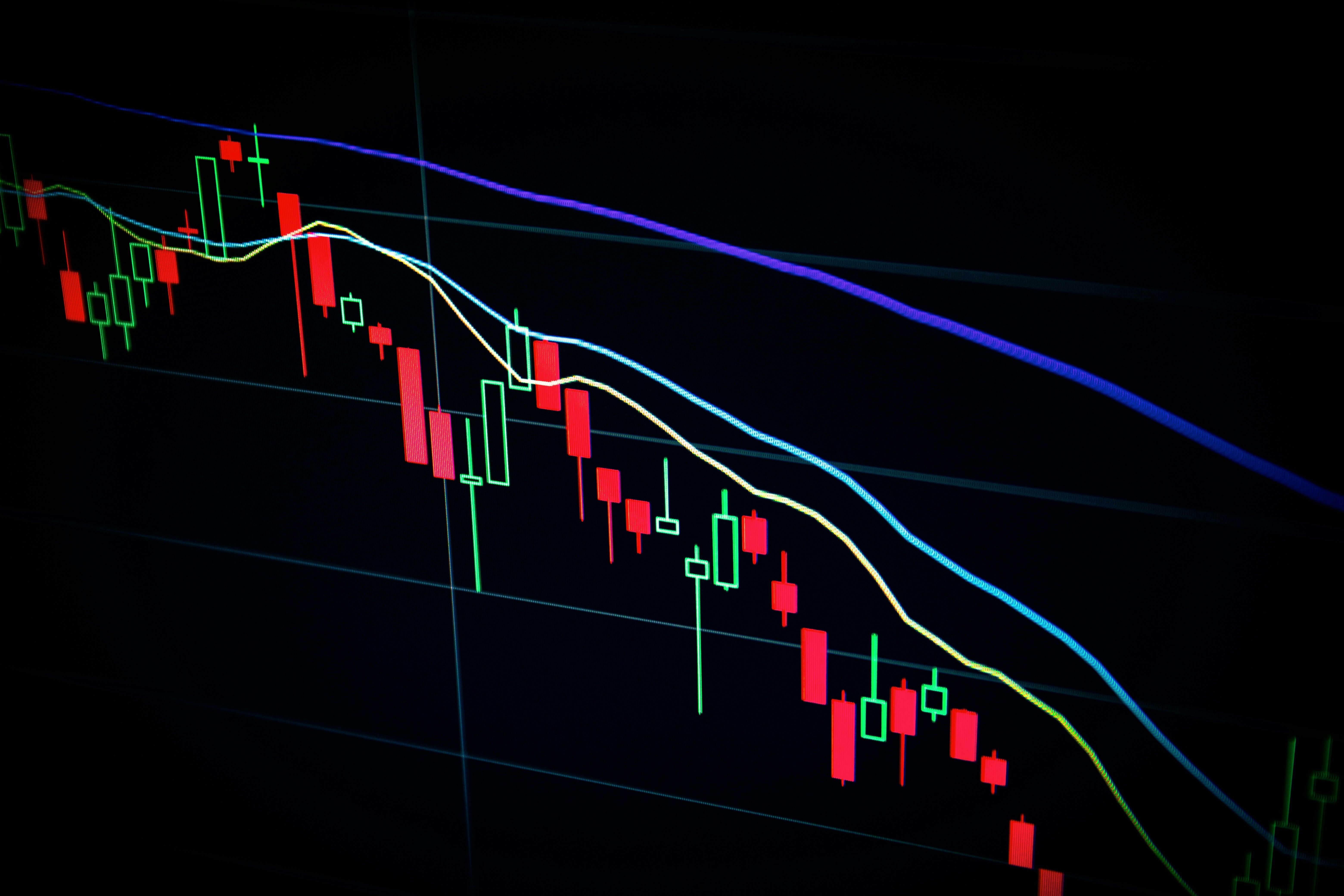
Kemper Corp has emerged as a cautionary tale in the US auto insurance market, with its stock among the sector's worst performers in 2026 as challenges in California weigh heavily on the Chicago-based insurer's results. Kemper shares are down 43.5% year-to-date, having lost 26.8% in May alone — a steep decline that reflects investor concern about the company's profitability and strategic direction.
The core of the problem lies in California, where higher claim severity and frequency drove Kemper's first-quarter 2026 combined ratio to 106.7%. A combined ratio above 100% means an insurer is paying out more in claims and expenses than it collects in premiums on its underwriting business — in Kemper's case, losing roughly seven cents on every premium dollar before investment income. California's challenging auto insurance environment, characterised by rising repair costs, elevated accident frequency, litigation pressure, and a regulatory framework that has historically constrained insurers' ability to raise rates quickly, has proven particularly difficult for carriers with concentrated exposure to the state.
In response to these pressures, Kemper has been reshaping its business. In April 2026, the company completed the sale of its retail property and casualty distribution business, Newins Insurance Agency, to Confie, a major personal-lines insurance distributor — a move that streamlines Kemper's operations and sharpens its focus on its core underwriting businesses. The company also brought in new leadership, appointing Stephen McAnena, a former Horace Mann executive, as president and CEO to steer the turnaround.
Kemper's struggles stand in notable contrast to the broader US auto insurance recovery. Most major carriers have seen auto profitability improve substantially in 2025 and 2026 after a period of severe losses, with the personal auto net combined ratio across the industry improving and several insurers — including USAA, Progressive, and State Farm — actively cutting rates and returning money to policyholders, particularly in reform-friendly states like Florida. Kemper's California-driven difficulties highlight how state-specific dynamics can sharply diverge from national trends, and how geographic concentration can amplify both the upside and the downside of the auto insurance cycle.
For investors and industry observers, Kemper's situation illustrates the critical importance of geographic diversification, pricing agility, and regulatory environment in determining auto insurer performance — and the speed with which a concentrated exposure can turn from a strength into a liability when conditions deteriorate in a key market.
Key Points
- 1Kemper Corp shares are down 43.5% year-to-date in 2026, including a 26.8% drop in May
- 2Q1 2026 combined ratio worsened to 106.7% on higher California claim severity and frequency
- 3A combined ratio above 100% means Kemper paid out more than it earned on underwriting
- 4Kemper sold its retail P&C distribution arm, Newins Insurance Agency, to Confie in April 2026
- 5Former Horace Mann executive Stephen McAnena was appointed president and CEO
Why This Matters
Kemper's difficulties are a reminder that the broadly improving US auto insurance market masks significant divergence at the individual carrier and state level. California's combination of high repair costs, accident frequency, litigation, and rate-approval constraints continues to challenge insurers with concentrated exposure there. For policyholders, carrier financial health affects service quality and long-term availability. For investors, Kemper illustrates the risks of geographic concentration and the importance of pricing agility. The contrast with thriving competitors underscores how execution and market mix determine outcomes in a cyclical industry.
Related Stories
Wall Street Hits Record High as Soft US Data Keeps Rate Path Uncertain
August 6, 2026

Fed Holds Rates Steady Amid Three Dissents, Signals a Hike May Be Coming
August 6, 2026

Warsh Reshapes Fed Communication and Weighs Fewer Policy Meetings
August 6, 2026

US Mortgage Rates Stay Stuck in the High-6% Range
August 6, 2026
Daily Intelligence
The PolicyRix Daily Brief
Get the top 5 insurance and finance stories every morning, curated and verified by our editorial desk. No spam. Unsubscribe anytime.
Informational newsletter only. Not financial advice. Disclaimer